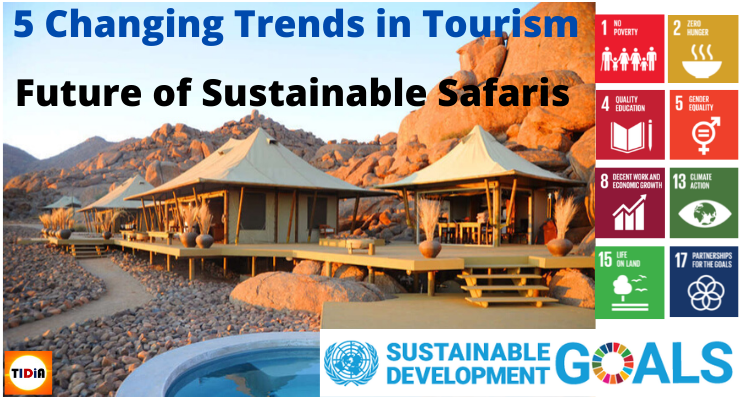
Big 5 Tourism Transformational Trends
To Realize Sustainable Benefits & Development Goals
According to National Geographic the future of African safaris has arrived!
The following five trends are significant initiatives for better arrangements to ensure that more sustainable benefits & SDG targets can be achieved.
[1] Community Conservancies & Community Action and Inclusion
[2] Female Empowerment
[3] Actions Against Poaching
[4] Emerging Destinations
[5] Sustainable Development & Tourism
[1] COMMUNITY CONSERVANCIES & INCLUSION
Conservation Can Support Self-sustaining Economies
In nature there are many examples of Self-sustaining Ecosystems.
Conservation is showing how Self-sustaining Micro-economies can be created.
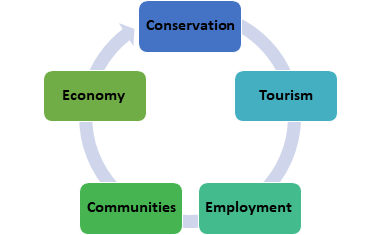
Conservation creates tourist attractions that will provide for more business opportunities, contributing to job opportunities, and stimulates growth in local & national economies.
[Source; http://www.awf.org/blog/african-tourism-conservations-best-friend]
Tourism has a wide supply chain that can directly & indirectly engage a diverse range micro-size, small-size & medium-size business enterprises (SMEs).
Hence, the tourism sector is an excellent job creator, particularly in rural areas which may have few other options.
NAMIBIA: WWF (World Wildlife Fund) has recognized Namibia for its outstanding conservation achievements with a Gift to the Earth Award in 2013. Conservancies are recognised by the Ministry of Environment and Tourism (MET). Namibia was the first country in Africa to enshrine conservation in its Constitution, and almost half of its land area is under some form of conservation management.
KENYA; In Kenya the Maasai Wilderness Conservation Trust on ancestral land near Mount Kilimanjaro was established to protect nature and share the traditional way of life. A Maasai elder was recognized by the United Nations in 2012 as one of six Champions of the Earth.
Campi ya Kanzi is an ecolodge for guest in the heart of the trust’s 300,000 acres of Community Conservancy land, where game can roam between Kenya’s Amboseli and Tsavo national parks.
Community Conservancies (in Namibia, Kenya, Tanzania, various other countries) are enablement for rural communities to manage the environmental & wildlife resources, and the responsibility to protect the endangered animals (which will attract tourism) while providing attractive incentives for them to do so.
Because conservation are supporting Self-sustaining Micro-economies this successful model encouraged more communities to establish conservancies. Currently (Feb. 2020) there are 86 Communal Conservancies registered in Namibia, covering approximately 166,045 square kilometres (±20.2% of the country).
15 Million acres in Kenya are now Communal Conservancies protecting some of the world’s rarest species and directly benefitting the local communities.
[2] FEMALE EMPOWERMENT
According to UNWTO the Tourism sector (in some countries) has almost twice as many women employers as the other sectors.
The tourism sector’s comparative advantage for women is that it provides for ample female empowerment & participation opportunities.
The first all-female safari guide team is working at the Chobe Game Lodge in Botswana.
In Zimbabwe a safari tour company is owned by a woman and employs only female rangers.
A female safari guide in Tanzania inspired the establishment of the Dare Women’s Foundation (local NGO) which is helping to empower women and girls to pursue professional ambitions.
[3] ACTIONS AGAINST POACHING
In 2018 international tourist arrivals in Africa reached 68 million and the international tourism receipts was US$38 billion.
By 2030, tourism to Africa is projected to generate more than US$260 billion annually and tourism will be driving the economic growth in many countries.
The illegal poaching of the animals (i.e. endangered species such elephants, rhino’s, leopards, pangolins, sharks, various other) is a mammoth problem.
Because the wildlife (e.g. elephants, rhinos etc.) is a key driver of the tourism growth for some areas in Africa, drastic actions are needed against poaching.
Poachers killed 7,246 Black and White Rhinos in Africa from 2006 to 2016. [Africa Wildlife Foundation].
2,391 Rhinos were killed in South Africa alone from 2017 to 2019. [Save the Rhino.org]
In addition to finding innovative solutions, the Ambassadors for the People’s Republic of China in Africa should be asked to demonstrate what the Chinese Authorities will be doing to stop the senseless killing.
The announcement by China that traditional medicine containing Pangolin scales will no longer be covered by Chinese Insurance Funds is a positive step and fantastic news.
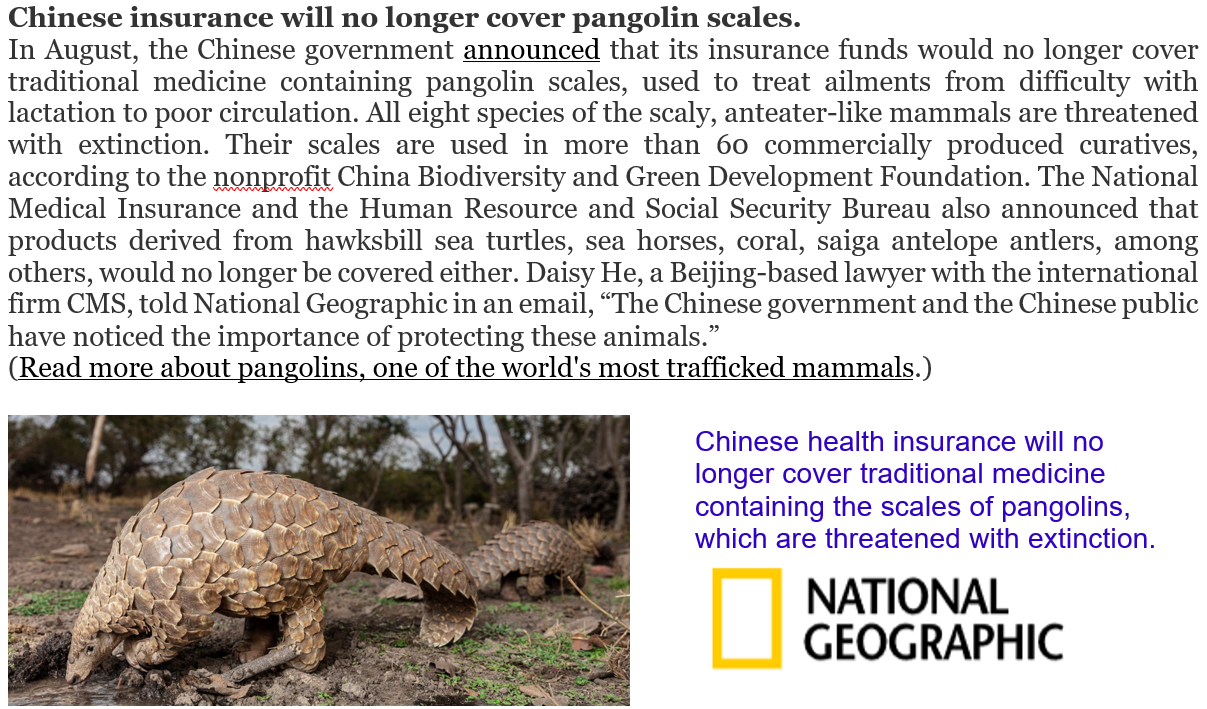
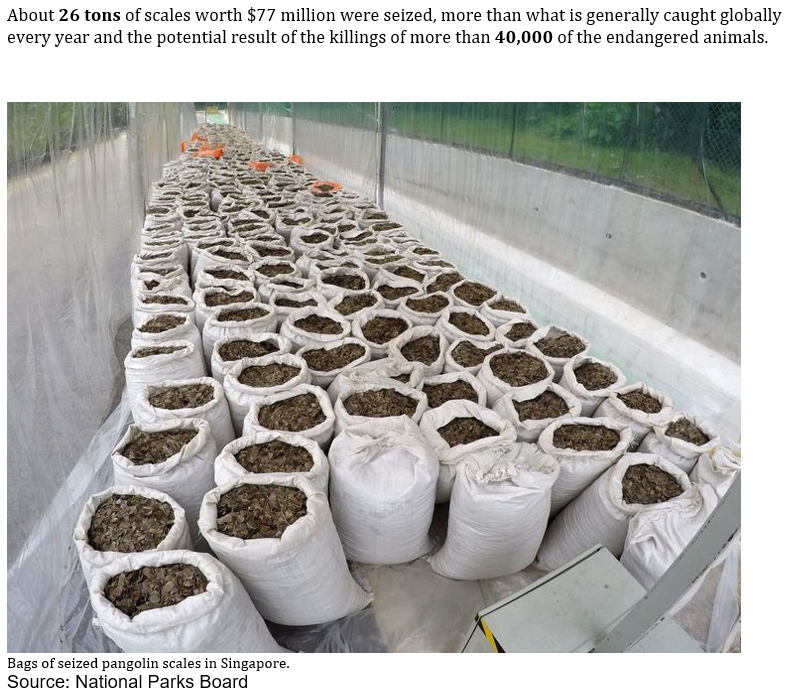
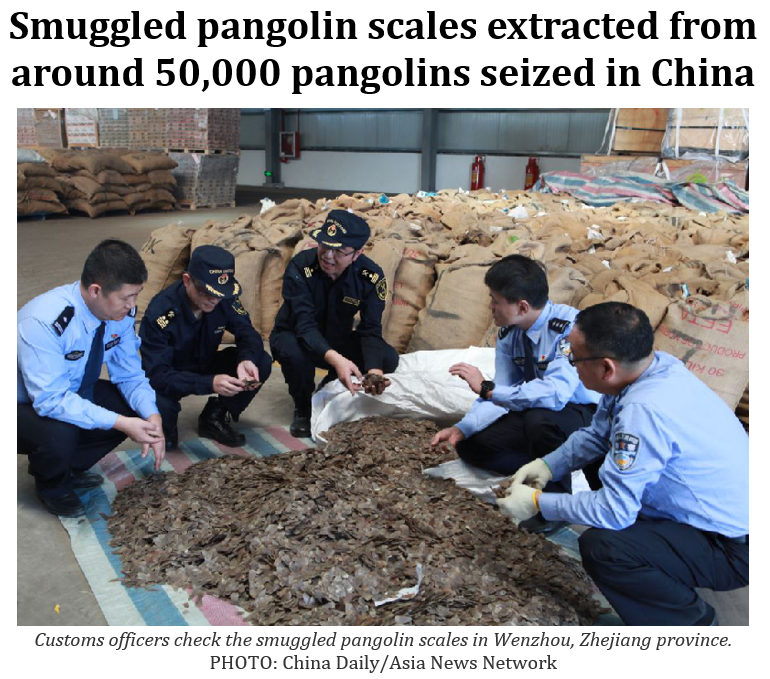
Approximate 90,000 Pangolins were killed for the scales seized in only these two events.
[4] EMERGING DESTINATIONS
Public-Private Partnerships can effectively help economic development and poverty alleviation.
For example; African Parks is helping the Zakouma National Park in Chad to emerge as an attractive tourist destination. Visitors can experience amazing wildlife spectacles in Zakouma National Park, one of National Geographic’s Best Trips for 2020.
Gabon, on the west coast of Africa, is also emerging as a viable safari destination. Visitors can see hippos swimming in the sea, elephants roaming white sand beaches, and large gatherings of gorillas in jungle clearings.
Botswana, Namibia, and Zambia are attracting more interest from travellers with a curiosity to expanding to new destinations beyond the well-trodden safari hotspots.
[5] SUSTAINABLE DEVELOPMENT
Reference to the World Bank – IFC Report (2017) – 20 Reasons Sustainable Tourism Counts for Development

Tourism also promotes inclusive growth, i.e.
Tourism sector is efficient & effective for job creation, e.g. highest multiplier of all sectors in Panama.
Every US$ 1.0 spent in tourism sector generates US$ 3.20. [IFC]
Every US$ 1.0 million spent in tourism generates US$ 701,000 of income. [IFC]
In Zambia the tourism sector generates 182 full-time formal jobs from a US$ 250,000 investment.
This is nearly 40% more than the same investment in the agriculture sector and over 50% more than in the mining sector. [Research by the Natural Resources Consultative Forum]
The Xigera Safari Lodge (The Red Carnation Hotel Collection) in Botswana is aiming to become the eco-luxury safari lodge of the future and will be powered by a 4,000 kilowatt solar farm. A Tesla lithium-ion battery system will also provide charging points for electric safari vehicles.
The Singita Kwitonda Lodge in Rwanda is also taking sustainability to the next level. An innovative ventilation system draws in fresh air to cool the rooms, eliminating the need for energy-intensive air-conditioning.
In Namibia, the off-grid sustainable luxury andBeyond Sossusvlei Desert Lodge is located in a “dark sky” reserve. During construction of the environment-friendly design, particular care was taken to minimise impact to the sensitive desert ecology.
The following environmental & sustainability features are included:
[a] Ingenious roof design to provide optimal shade & to maximise space for solar panels.
[b] Fully independent solar hot water systems.
[c] Highly effective grey water recycling system per suite (powered by the solar panels).
[d] Rainwater harvesting tank (also powered by the solar panels).
[e] Pool covers for evaporation control measures.
[f] Air conditioning powered by solar energy.
[g] Water recycling system throughout the lodge generates more than 100,000 litres of grey water per month.
[h] Indigenous desert gardens which is irrigated by the harvested rain water & recycled grey water.
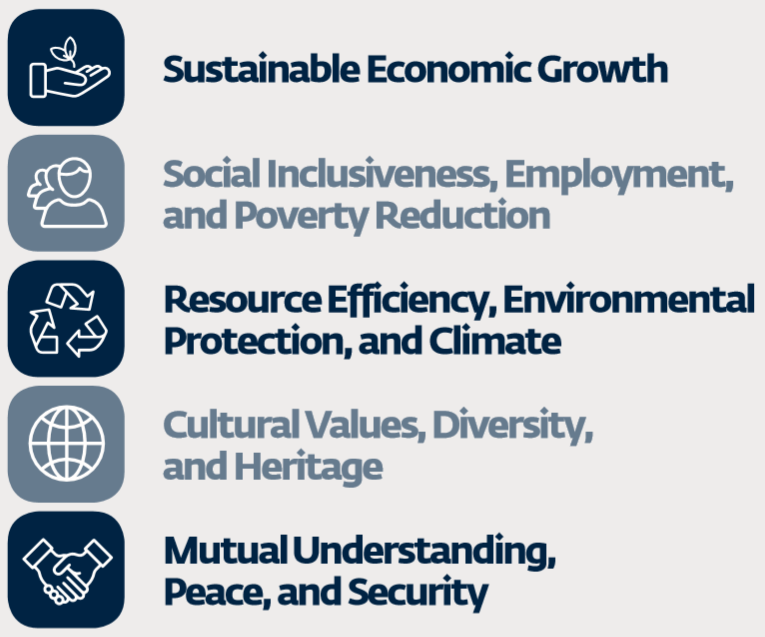
The UNWTO outlined the following Five Pillars of Tourism for Development (World Bank IFC Report 2017) as the starting point for integrating a holistic approach to sustainable tourism into development projects.
For more information see the National Geographic article:
THE FUTURE OF SAFARIS IN AFRICA
Back to HOME Page: Home
 TIDiA - TOURISM & HOTEL DEVELOPMENTS & INVESTMENTS in AFRICA