
The CURRENT SITUATION
The Travel & Tourism sector Energises Entrepreneurship, with 80% of the sector being SMEs. [WTTC]
Travel & Tourism accounting for 1 in 4 New Jobs created in the last five years. [WTTC]
In 2019, Travel & Tourism accounted for 10.3% of global GDP (US$8.9 trillion). [WTTC]
Sustainable Tourism is Essential for the protection of threatened natural environments, for conservation of natural heritage, biodiversity, fragile eco-systems & marine ecologies, critically endangered species, and for the preservation of cultural heritage & traditional values.
For economic growth in Africa the greatest priority must be to bolster the Micro-, Small-, and Medium-sized Enterprises (MSMEs) because they are key to African commerce, and account for 83% of the Private-Sector Employment in Africa.
BARRIERS FOR TOURISM INVESTMENTS
Tourism investments are confronted with various barriers, particularly for the Micro-, Small-, Medium-sized Enterprises (MSMEs) and many in the Informal Economy that needs start-up capital and/or growth capital.

The World Bank
To achieve the Sub-Saharan Africa (SSA) tourism potential various existing constraints must be resolved, such as; land availability, investor access to finance, taxes on tourism investments, low levels of tourism skills, lack of security, safety and high crime, public health, visa requirements, and red tape & bureaucracy.
The risk averse Financial Institutions are applying unrealistic thresholds, and inflexible terms which consequently excludes most MSME’s from obtaining debt financing.
FINANCE FOR NATURE-BASED TOURISM UNAVAILABLE
Nearly all the development finance & financial institutions require a minimum threshold of US $10 million for debt funding and further insist on a 50:50 debt / equity ratio. [World Bank]
Hence, the reality is that tourism infrastructure projects in many communities cannot be implemented because the enormous amounts of capital they need, and the onerous financing arrangements.
Considering the situation in these communities and the many local MSMEs, very few of them will be able to provide US$10 million in equity, and also meet the other terms required by financial institutions.
Conservation Financing Models do not yet consider natural capital as an asset class on its own.
World Wildlife Fund [WWF]
Despite the WWF describing Namibia’s very successful communal conservancy programme as visionary and truly unique in the world, these communities still do not get any support from neither the IFC (because Namibia is not an IDA country) nor any other financial institutions.
The scope of the traditional investment models is too narrow, and do not include the value chain & supply chain businesses (typically MSME’s) and the circular economy aspects.
Many MSME’s would find capital raising very challenging. It can be daunting hurdle for them to prepare the required information packs for venture capital, angel investors, development finance, private equity investors or grants.
Organisation for Economic Co-operation and Development [OECD]
A large share of the tourism sector features limited buffers and access to finance in the face of shocks.
Although there are large enterprises in the accommodation and airline sectors, the sector tends to be characterized by a high share of Micro-, Small-, and Medium-sized Enterprises (MSMEs), often individually or family-owned, particularly in emerging and developing economies, notably in the accommodation, restaurant, and tours and services segments.
Numerous entrepreneurs starting new tourism, tourism related businesses (MSME’s) might have limited business administration, marketing, commercial qualifications, and other critical expertise (e.g. E-commerce).
Hence, the financial viability of these MSME’s is susceptible to incidental financial distress, and consequently a likelihood of failure.
WTTC’s SOCIAL IMPACT PAPER
This shows how much of an important role Travel & Tourism plays, not only in driving economic growth, but also in enhancing social progress across the world through its diverse and inclusive nature, ability in enriching communities and as a creator of jobs and alleviating poverty, and catalyst for innovation and entrepreneurship.
Globally one new job is created for every 34 international visitors to a destination.
In Africa this is more important where it takes only 11 international visitors for the creation of one new job.
Every $1 generated in direct Travel & Tourism GDP globally, more than $2 is generated indirectly.
Travel & Tourism is one of the most diverse sectors, employing people from all socio-economic backgrounds regardless of age, gender or ethnicity (±54% are women & ±30% youths).

CHALLENGES FOR TOURISM DEVELOPMENTS & INVESTMENTS
Identifying and Understanding the challenges of tourism developments in any destination is critical for success.
HOLISTIC VIEW
Visualizing those challenges as part of multiple overlaying tourism ecosystems as constantly interacting parts is essential to seeing the big picture.
ENABLING FRAMEWORKS
Comprehensive insights, and strategies for addressing current challenges and barriers when investing in the tourism sector are key success factors.
Enabling Frameworks for Tourism Investment can provide the essential insights for understanding and enabling the conditions and removing the barriers to mobilize tourism investments.
Nevertheless, in order to ensure that the focus, and the benefits achieved extends beyond the attraction & promotion approaches, a large variety of possible solutions can be incorporated.
The SOLUTIONS
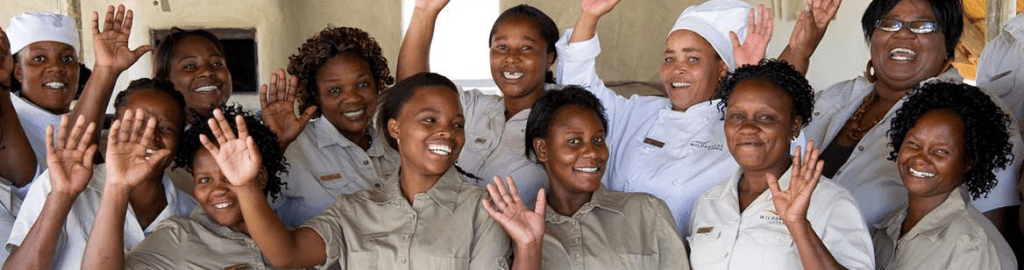
Tourism investments are confronted with various barriers, and all the stakeholders will be encouraged to pursue novel business model solutions to entice investments.
TIDIA’s collaboration with strategic partners can help MSMEs to progress towards digital resources and systems so that they can be better placed to attract investments, and also position themselves for future economic growth.
Fostering sustainable tourism development projects that will produce sustainable economic benefits, while also providing various advantages for locations, the environment, local communities, businesses, employees, and visitors.

The International Finance Corporation (IFC) reported that in some destinations, for every $4 spent by a tourist, $1 reaches the poor.
[Source IFC: Tourism: Enhancing Economic Growth in Emerging Markets, September 2013]
EQUALITY
Tourism success should be measured by ensuring that local communities can more equally benefit from tourism.
Travel and Tourism is a Highly Interconnected Sector.
Innovative Solutions for Inclusive Tourism, and Sustainable Tourism can be developed to attract more investments in the tourism sector.
Investor Imagination, and more flexibility can facilitate the realisation of many more great tourism development opportunities.
The investment horizon also needs to widen so that the circular economic aspects, and the directly related value chain business opportunities can also be incorporated.
TIDIA (and collaborating partners) will endeavour to provide insights for better understanding, and subsequently will attempt to create the Enabling Circumstances to mobilize tourism investments.
The promotion approaches for sustainable, and inclusive tourism destinations will not only focus on attracting visitors but also on enticing further investments.
ECONOMIC CATALYST
Most tourism investments can act as a Catalyst for Small Businesses because it will create direct & indirect demand for products/services from the tourism development value chain.
A tourism venture will additionally create direct & indirect demand from the tourism operations supply chain (local community) for products/services, for example; transportation, activity & tour operations, local products, handicrafts, local produce, telecommunications, financial services, commercial services and other services in the informal sectors.
Subsequently, these Tourism Investments will strengthen the Economic Base for long-term growth in the local region.
When it comes to employment, a study in Zambia by the Natural Resources Consultative Forum found that a US$ 250,000 investment in the tourism sector generates 182 full-time formal jobs.
This is nearly 40% more than the same investment in agriculture sector and over 50% more than in mining sector.
CONSERVATION SUPPORTS SELF-SUSTAINING ECONOMIES
In nature there are many examples of Self-sustaining Ecosystems.

Conservation is a great example of how Self-sustaining Micro-economies can be created.
Conservation creates tourist attractions which creates Business Opportunities, contributing to jobs and growing local and national economies.
CORPORATE GOVERNANCE
Good Corporate Governance contributes to the sustainable economic development by enhancing the performance of businesses and increasing their access to external capital (investments).
Corporate Governance involves the management processes, structures, and the control of the enterprise operations.
Poor governance standards, and weak enforcement must be eliminated because it will create barriers to investments.
WHY CORPORATE GOVERNANCE MATTERS?
1] Improving and Attracting External Capital Investments
Good corporate governance (well-governed enterprises) can increase capital flows from domestic, international capital (i.e. equity & debt) from financial institutions, and also from private capital sources (e.g. equity).
By improving Governance can reduce the risk of investments.
2] Improving and Sustaining Performance
Equally important, good corporate governance can increase the performance, ensure quality decision-making, encourage effective business continuity, and enhances the long-term prosperity of enterprises.
3] Sustainable Development Goals and Corporate Governance
Good Corporate Governance can contribute to the long-term sustainable growth of companies, that can make positive contributions to Social Development & sustainability, Economic Development, Equality, and Environmental sustainability responsibilities.
UNLOCKING AFRICA’s TOURISM POTENTIAL
The African Development Bank (AfDB), New York University Africa House, and the Africa Travel Association (ATA) published in 2015 the Africa Tourism Monitor theme: “Unlocking Africa’s Tourism Potential”.
To Foster Economic Growth and to Capitalize on Opportunities the following prospects can be investigated for:
1] Investments (e.g. tourism related, or supply chain etc.),
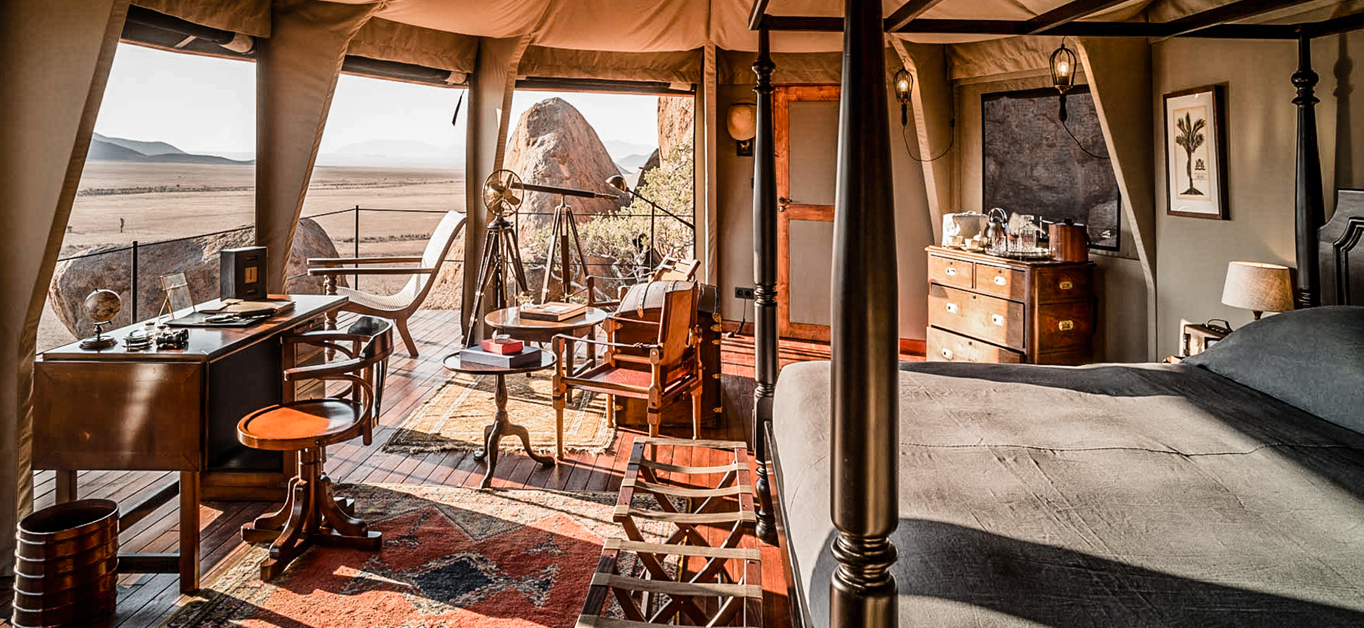
2] Hotel developments (including boutique hotels, safari lodges, camps etc.),
3] Conservation & the economic value of wildlife tourism,
4] Product development & creating dynamic travel experiences,
5] Partnerships & collaborations,
6] Capacity building, Knowledge and skills transfer,
7] Telling authentic stories about Africa (e.g. cultures, cuisines, history, environment, nature etc.)
8] Engaging with, Including local citizens,
9] Tapping into the online travel marketplace, &
10] Various other.
Further benefits can be achieved by diversifying the tourism sector, explore the potential of creative industries, digitalisation, driving rural development, and exploring the untapped potential of African Gastronomy Tourism.

According to The World Bank the SSA tourism sectors must maintain competitiveness through considering the following:
1] Ensuring the quality of their tourism assets,
2] Providing high standards in visitor accommodation,
3] Efficiency and safety in transport to, from and within the country,
4] Adequacy of a variety of infrastructure components,
5] The receptiveness of local populations to tourists,
6] The skills of the range of officials and employees with which tourists come in contact with,
7] The safety and security the destinations offer visitors (particularly Covid-19 protocols).
TECHNOLOGY & TOURISM SERVICES DIGITALISATION
As more tourism-related transactions go digital, it will be vital that SMEs accelerate integrating digital capabilities into their businesses, bridging the digital divide. [IMF]
The Venture Capital (VC) investments in travel tech have been growing.
Around USD 449 billion has been invested in Travel & Mobility Tech start-ups from 2014 to 2019.
The travel tech sector reached USD 61.6 billion in unicorn valuations.
Reskilling and training tourism employees to interact with the digital resources and adapt to different customer service requirements will also be critical.
Technological innovation has created powerful new vectors for novel partnerships and collaborations.
DRIVERS & TRENDS SHAPING TOURISM INVESTMENTS
Consumer Behaviour and Demand Drivers
UNWTO Data: International tourist arrivals is expected to reach 1.8 billion by 2030 (UNWTO, 2019).
This represents around 50 million additional arrivals per year, an increase of ±150% compared to the period from 1995 to 2010.
In 2018 around 10% of China’s 1.4 billion people travelled internationally.
It is estimated that by 2027, the number of passport holders in China is expected to reach 300 million, or 20% of the Chinese population (UNWTO, 2018).

UN; Supporting the millions of livelihoods that depend on tourism means building a sustainable and responsible travel experience that is safe for host communities, workers and travellers.
Following Five Priority Areas can assist the Covid-19 recovery:
1] Mitigate the socio-economic impacts of the crisis.
2] Build resilience across the entire tourism value chain.
3] Maximize the use of technology in the tourism sector.
4] Promote sustainability & green growth.
5] Foster partnerships to enable tourism to further support the Sustainable Development Goals.
- TIDIA and collaborating partners are mindful about the socio-economic benefits that can be achieved, and the UN SDGs will be a primary focus on all tourism developments.
- TIDIA partnerships will emphasise the holistic view on the multiple overlaying tourism ecosystems to incorporate the entire value chain.
- TIDIA partnerships can facilitate the digitalisation transitions, and the subsequent capacity building efforts.
- TIDIA collaborations will engage with all the relevant stakeholders, and with strategic partners to establish the enabling circumstances for attractive tourism investment opportunities.
SELECTED KEY STEPS for NEW TOURISM DEVELOPMENT PROJECTS
1] Develop robust analyses of the Investable Initiatives & Bankable Businesses Concepts,
2] Develop Investment Plans with long-term Strategies & Measurable Goals,
3] Conduct robust Market Assessments, and formulate the Enabling Conditions for further market development & scaling opportunities,
4] Develop the Framework for Stakeholder Collaborations, and Strategic Partnerships,
5] Conduct Gap Analysis studies, and identify the Capacity Building requirements,
6] Project preparation support; Assemble the Team with the necessary expertise,
7] Facilitate the Data Sharing, Research, Feasibility Studies, Financial Modelling, and Technical Design activities,
8] Identify the Most Feasible Project Configurations, other opportunities, and mitigate the Likely Risks,
9] Identify subsequent Interconnected Projects that also could be ready for investment,
10] Facilitate the coordination for the Project Financing Considerations with relevant investors, [e.g. private equity, syndicates, blended finance facilities, DFIs, NDBs, Multilateral Investment Guarantee Agency (MIGA)].



TRAVEL SECTOR SOLUTIONS DESIRED
For unlocking the SSA tourism potential the limited availability and costly access to SSA destinations from major tourism supplier markets (e.g. Europe, United States etc.).
In some countries the infrequent, irregular and inadequate transport access within countries will have major implications for the tourism competitiveness of SSA countries.
Tourism is highly dependent on a range of infrastructure facilities, and the absence of any one of the key infrastructure components, e.g., potable water, can seriously hamper tourism development or cause heavy capital, and operating costs for the private sector managers of the tourism product.
Back to Home Page: Home
 TIDiA - TOURISM & HOTEL DEVELOPMENTS & INVESTMENTS in AFRICA